Field guide
Strategic Diversity Initiatives: Measurable Tactics to Build an Inclusive, High-Performing Organization
Diversity initiatives are essential for building resilient organizations that attract talent, drive innovation, and reflect the communities they serve. When done well, these programs go beyond headcount and become integrated strategies that influence recruitment, retention, product design, supplier choices, and leadership development.
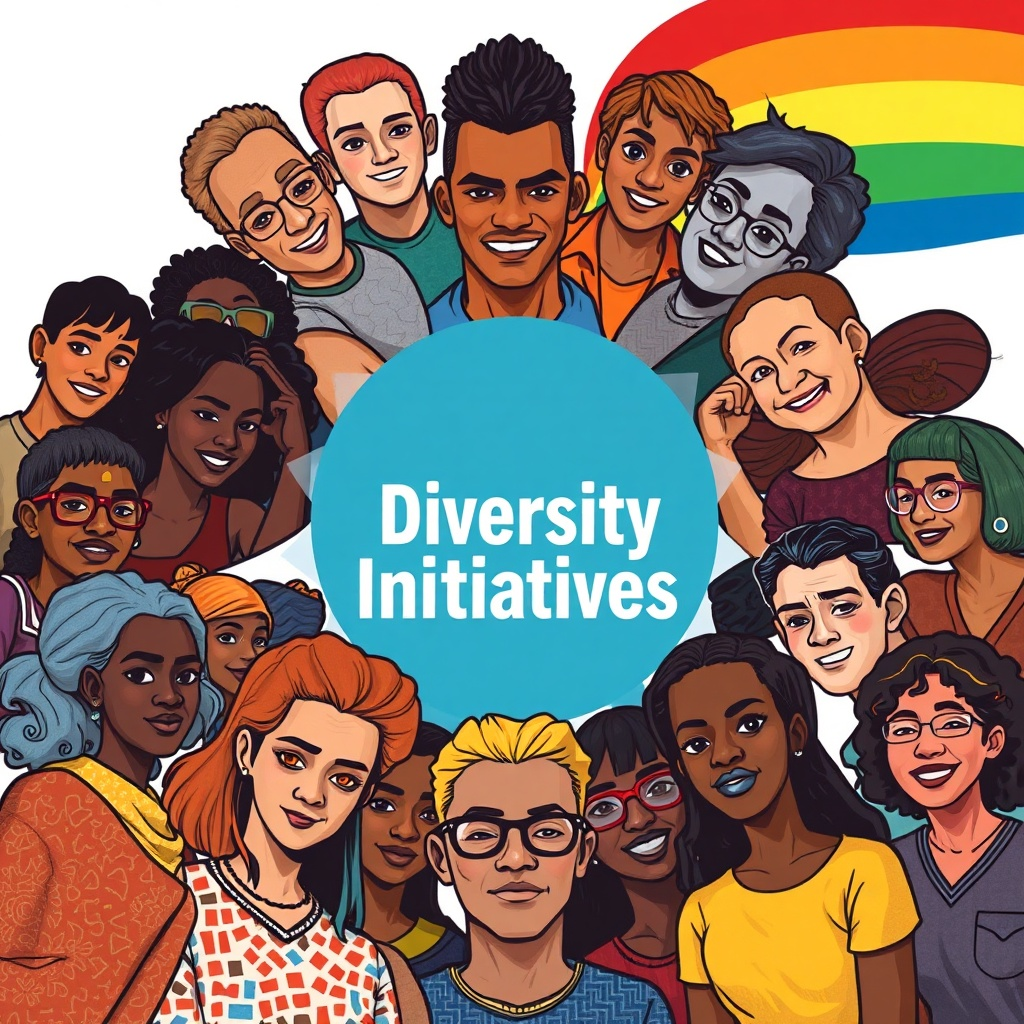
What effective diversity initiatives look like
– Clear strategy tied to business outcomes: Diversity goals should align with revenue, customer growth, innovation targets, or retention metrics.
This creates accountability and makes it easier to secure leadership buy-in.
– Data-driven approaches: Collect anonymized demographic, hiring, promotion, and pay data to identify gaps. Regular reporting reveals trends and helps prioritize high-impact interventions.
– Inclusive culture, not just compliance: Policies are only useful if everyday behaviors change. Inclusion requires psychological safety, equitable access to opportunities, and recognition of diverse contributions.
– Intersectional thinking: Programs should consider how race, gender, disability, sexual orientation, age, and socioeconomic background intersect to shape employee experiences.
– Sustainable governance: Assign clear ownership for initiatives, set measurable targets, and embed responsibilities into performance reviews for leaders.
High-impact tactics to implement now
– Inclusive hiring practices: Use structured interviews, diverse hiring panels, and skills-based assessments. Remove unnecessary credential requirements that can exclude capable candidates.
– Blind resume screening and standardized job descriptions: Reduce bias by focusing on competencies and using inclusive language that avoids gendered or exclusive terms.
– Employee Resource Groups (ERGs) with budget and influence: Support ERGs as partners in policy development, recruitment, and mentoring programs rather than symbolic groups.
– Manager training focused on inclusive leadership: Train managers to recognize micro-inequities, provide equitable feedback, and sponsor high-potential employees from underrepresented groups.
– Flexible work and accommodations: Offer flexible schedules, remote options, and clear processes for disability accommodations and caregiving needs.
– Supplier diversity: Integrate diverse suppliers into procurement strategies to expand economic opportunities while strengthening supply chains.
Measuring progress and impact
Track both quantitative and qualitative indicators:
– Recruitment funnel metrics (applications, interviews, offers by demographic)
– Promotion and attrition rates across groups
– Pay equity analyses and remediation plans
– Engagement survey items related to belonging and inclusion
– Participation and retention in development programs and ERGs
– Business outcomes tied to diversity efforts, such as customer satisfaction in diverse markets or innovation metrics
Common pitfalls and how to avoid them
– Treating diversity as a one-off training: Single sessions may raise awareness but rarely change behavior. Design ongoing learning and accountability mechanisms.
– Ignoring power dynamics: Without sponsorship from senior leaders, initiatives can stall. Tie diversity goals to leadership metrics.
– Overloading underrepresented employees: Avoid relying on minority employees as unpaid consultants; compensate ERG leaders and diversify decision-making panels.
– Failing to communicate progress: Transparency builds trust. Share wins and setbacks to foster credibility.
The payoff for a strategic approach is measurable: higher employee engagement, improved problem-solving from diverse perspectives, stronger brand reputation, and better access to talent and markets. Start by auditing current practices, setting clear, measurable goals, and embedding inclusion into leadership expectations.
Regularly review outcomes and adapt—diversity initiatives that evolve with organizational needs deliver sustained value and a more inclusive workplace for everyone.