Field guide
Diversity Initiatives Under Scrutiny: How Federal Investigations and IRS Rules Are Reshaping DEI Programs
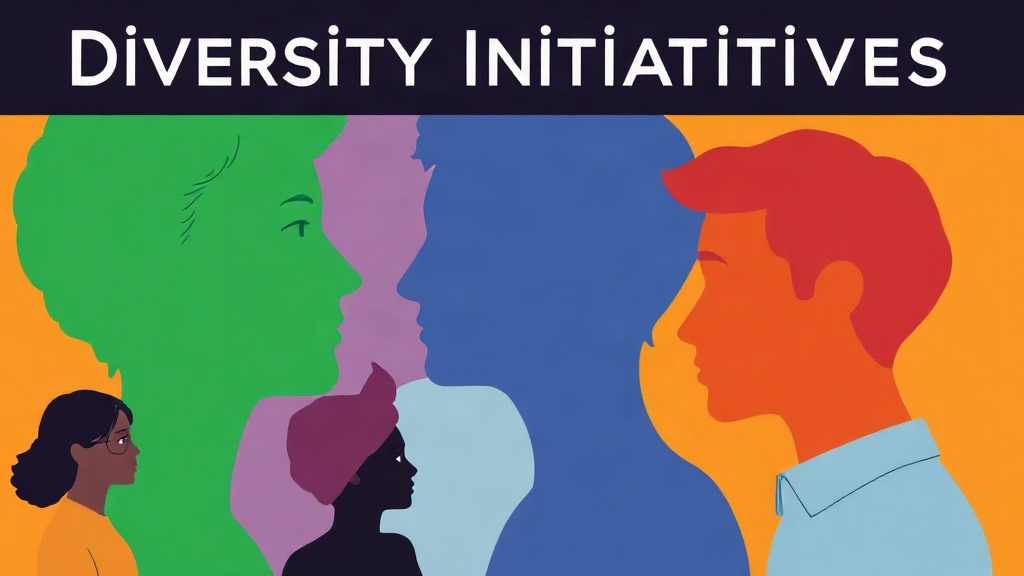
Diversity initiatives are at a turning point. Employers, universities, and nonprofits that spent years building inclusion programs now face a shifting legal and political environment. Recent headlines show how quickly the ground is moving: federal investigations, proposed tax rules, and pushback from lawmakers are all shaping how organizations think about their commitments.
Why Federal Scrutiny Is Changing the Conversation
Rep. Maxine Waters recently charged that federal investigations are stymieing diversity and anti-discrimination efforts. Her argument reflects a concern shared by many civil rights advocates: when organizations fear enforcement actions, they may scale back or quietly rebrand programs, even those that are lawful and built to widen access to opportunity.
That chilling effect is real in practice. Legal teams are advising caution, and communications teams are rewriting program descriptions. Some organizations have paused employee resource group funding or fellowship programs while they wait for clearer guidance. Others have kept their programs but changed the language, favoring terms like "belonging," "opportunity," or "inclusion for all."
The Tax-Exempt Angle
A second development deserves attention from nonprofit leaders and school administrators. Law firms have recently analyzed an IRS proposed regulation that addresses how diversity initiatives at tax-exempt schools and other nonprofits could be treated under the rules governing exempt status. Tax-exempt status is central to how these organizations operate, so any change in how diversity programming is evaluated carries major financial and reputational stakes.
The details of any proposed rule matter, and the final version may differ from the draft. Organizations should not wait for the outcome to start preparing. A review now, led by counsel, can reduce risk and give leadership a clear picture of what is working and what may need adjusting.
Practical Steps for Organizations
Leaders who want to protect their mission and manage legal exposure can take several concrete steps:
- Audit existing programs. Document the purpose, eligibility criteria, funding source, and measurable outcomes of each initiative. - Focus on access, not quotas. Programs built around broad outreach, mentorship, skills development, and fair hiring practices tend to be more defensible than those that rely on rigid preferences. - Review language carefully. Clear, accurate descriptions of what a program does help avoid confusion and misinterpretation. - Train managers. Inconsistent decisions at the team level often create more legal risk than policies written at the top. - Monitor regulatory updates. Proposed rules, agency guidance, and court decisions are changing quickly, so compliance is an ongoing process.
The Business Case Has Not Disappeared
Despite the turbulence, the underlying case for inclusive workplaces remains strong. Companies compete for talent in a labor market where candidates increasingly ask about culture, pay equity, and advancement paths. Diverse teams bring a wider range of perspectives to problem-solving, product design, and customer service. Organizations that serve varied communities also need people who understand those communities.
Employees are paying attention too. Workers consistently say they want to feel respected and see a fair path to promotion. When an employer retreats from its commitments without explanation, trust can erode. Transparent communication about what is changing and why matters as much as the policy itself.
Looking Ahead
The debate over diversity initiatives is unlikely to settle soon. Advocates say federal investigations and regulatory proposals undermine progress on anti-discrimination goals. Critics argue that some programs have strayed from equal treatment under the law. Courts, agencies, and Congress will keep testing where the lines fall.
For organizations, the best response is neither panic nor denial. It is a thoughtful, evidence-based approach: know the law, measure results, communicate openly, and design programs that expand opportunity while standing up to scrutiny. Those that do this well will be better positioned to attract talent, serve their communities, and adapt as the rules evolve.