Field guide
Diversity Initiatives Under Pressure: How DEI Programs Are Changing and What It Means for Employers
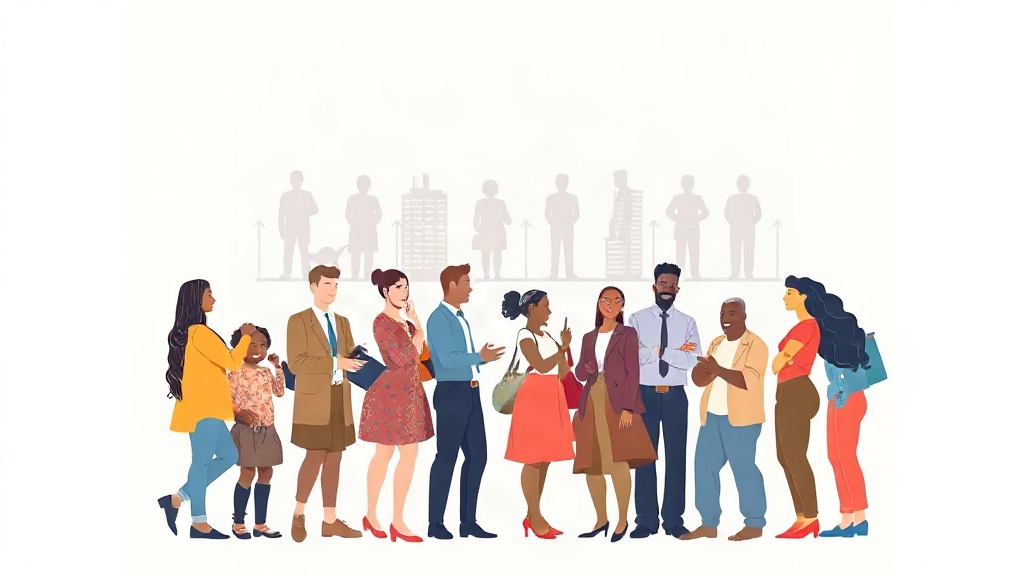
Diversity initiatives have moved from the HR department to the center of a national debate. Programs once treated as standard practice at universities, hospitals, government agencies, and corporations are now being rewritten, renamed, scaled back, or eliminated. For leaders, employees, and job seekers, understanding what is changing and why matters more than ever.
Why Diversity Programs Face Pushback
Coverage from outlets like PBS has traced how political backlash built against diversity, equity, and inclusion (DEI) efforts at colleges and companies. Critics raise several objections. Some argue that certain trainings feel prescriptive or divisive. Others question whether programs deliver measurable results, or whether preference-based practices are consistent with anti-discrimination law.
Legal challenges have added pressure. Court rulings on race-conscious admissions and scrutiny of corporate fellowships and supplier programs have pushed many organizations to review their policies with legal counsel. The result is often caution: reworded program names, open eligibility criteria, and a heavier emphasis on documentation.
The Federal Shift and Its Health Implications
The change has been especially visible in government. Analysis from KFF has examined how eliminating federal diversity initiatives could affect racial health equity. Federal programs have long funded data collection, community outreach, workforce pipelines, and research into disparities in maternal health, chronic disease, and access to care.
When those efforts shrink, the effects can reach well beyond workplace culture. Health researchers note that without consistent data on race and ethnicity, it becomes harder to identify gaps in treatment and outcomes. Fewer pipeline programs may also mean fewer clinicians from underrepresented communities, which research has linked to improved patient trust and communication.
What Employers Are Doing Now
Rather than abandoning the goals behind diversity work, many organizations are rethinking how they pursue them. Common approaches include:
- Rebranding and reframing. Terms like "belonging," "inclusion," "opportunity," and "culture" are replacing DEI in job titles and public reports. - Focusing on process fairness. Structured interviews, transparent promotion criteria, and pay equity audits aim to reduce bias without relying on demographic targets. - Broadening access. Skills-based hiring, expanded recruiting pools, and mentorship open to all employees can widen opportunity while reducing legal risk. - Strengthening measurement. Companies are tracking retention, engagement, and advancement to show whether programs actually work.
These changes reflect a pragmatic reality. Organizations still need to attract talent from a shrinking and increasingly diverse labor pool, serve diverse customers, and comply with civil rights law.
Keeping Initiatives Effective
Whatever the political climate, some principles hold up. Programs tend to work best when they are tied to clear business or mission goals, backed by senior leadership, and evaluated with real data. One-off trainings rarely change behavior on their own. Sustained efforts do, such as fair hiring systems, accessible workplaces, supportive management, and employee resource groups open to everyone.
Communication matters too. Employees want to know why a program exists, who it serves, and how success will be judged. Vague language can fuel both cynicism from supporters and suspicion from critics. Plain explanations of goals and eligibility build credibility on all sides.
What to Watch Next
Several developments will shape the road ahead: continuing court decisions, changes in federal contracting and grant requirements, state-level legislation that varies widely across the country, and shifting expectations from investors, customers, and employees. Multinational companies must also navigate different rules abroad, where inclusion reporting is often growing rather than shrinking.
For individuals, the practical takeaway is to look beyond labels. A company's commitment to fairness is better judged by its hiring practices, pay transparency, advancement data, and workplace culture than by the name of a program.
Diversity initiatives are not disappearing so much as evolving under legal, political, and public pressure. The organizations that handle this moment best will likely be those that stay clear about their purpose, follow the law, and measure whether their efforts are creating real opportunity for the people they are meant to serve.