Field guide
1. “Unlocking Business Success: The Impact of Diversity Initiatives in Today’s Workspace”
Diversity is more than just a buzzword – it is a powerful catalyst for innovation, productivity, and global understanding in today’s business sphere. Diversity initiatives, when implemented effectively, can be transformative for organizations, cultivating a rich tapestry of perspectives capable of spurring unprecedented growth and progression.
Firstly, diversity initiatives facilitate a wealth of innovative ideas.
When a team is composed of individuals from various backgrounds, cultures, and experiences, the collective pool of knowledge, ideas, and perspectives is vastly enriched. This potpourri of inputs paves the way for out-of-the-box thinking, fostering novel solutions to complex problems.
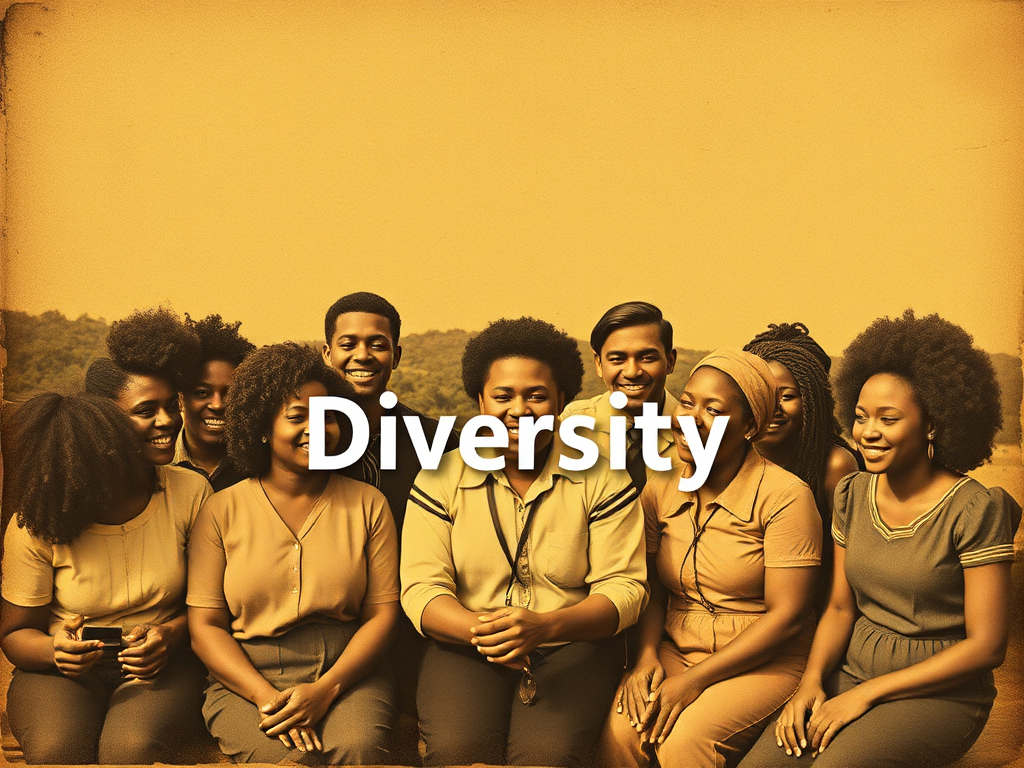
In an era where innovation is paramount to maintaining a competitive edge, the value of a diverse team cannot be overstated.
Moreover, diverse teams boost productivity and decision-making capabilities. Research shows that multicultural teams tend to outperform their homogeneous counterparts. The reason? Different perspectives provoke robust discussion, leading to more thorough consideration of all possible options. This thoughtful deliberation enhances decision-making efficiency and could yield better outcomes.
At the same time, diversity initiatives help organizations better understand and connect with their customers. Today, businesses serve customers from various backgrounds and countries.
A diverse workforce mirrors this global customer base, enabling companies to gain deeper insights into various markets and cultures. As a result, businesses can tailor their products, services, and messaging to resonate with different customer segments, enhancing customer satisfaction, loyalty, and ultimately, profitability.
Diversity initiatives also foster a culture of inclusion and respect, which can positively impact employee morale and retention. When employees feel valued and included, they tend to be more engaged, committed, and satisfied with their work.
Moreover, prospective employees are increasingly seeking out inclusive workplaces, so prioritizing diversity can significantly enhance a company’s attractiveness as an employer.
Admittedly, implementing diversity initiatives is not without its challenges. It requires commitment from all levels of the organization, particularly from leadership. It also involves overcoming unconscious biases and prejudices that may exist within the workforce. However, with consistent effort and the right strategies, these obstacles can be overcome.
One useful strategy is to embed diversity objectives into the company’s core values and goals.
This sends a clear message about the organization’s commitment to diversity and sets a concrete standard against which progress can be measured.
Another effective approach is to provide diversity and inclusion training for employees. This training can help employees understand the value of diversity, recognize their biases, and develop the skills needed to foster an inclusive environment.
In addition, organizations should ensure that their recruitment and promotion processes are fair and unbiased. This could involve implementing blind recruitment practices, setting diversity targets, or using data analytics to uncover and address potential biases.
Diversity initiatives are not just about checking a box – they are about embracing the richness and potential inherent in our global community. By fostering a diverse and inclusive workforce, organizations can unlock a wealth of benefits, from enhanced innovation and productivity to improved customer insights and employee satisfaction. Therefore, investing in diversity initiatives is not just the right thing to do – it also makes perfect business sense.